

This Sisaket travel guide takes you beyond Thailand’s well-known tourist routes, into the lower Northeast where ancient Khmer sanctuaries stand alongside farming communities, traditional villages, the culture of the Kui people and living local traditions.This Sisaket travel guide takes you beyond Thailand’s well-known tourist routes, into the lower Northeast where ancient Khmer sanctuaries stand alongside farming communities, traditional villages, the culture of the Kui people and living local traditions.This Sisaket travel guide takes you beyond Thailand’s well-known tourist routes, into the lower Northeast where ancient Khmer sanctuaries stand alongside farming communities, traditional villages, the culture of the Kui people and living local traditions.This Sisaket travel guide takes you beyond Thailand’s well-known tourist routes, into the lower Northeast where ancient Khmer sanctuaries stand alongside farming communities, traditional villages, the culture of the Kui people and living local traditions.
Far from Thailand’s well-known tourist routes, Sisaket in the lower Northeast offers a different kind of travel experience. This Sisaket travel guide is built around ancient Khmer sanctuaries, farming communities, traditional villages and living cultural traditions — red onions and garlic growing in the fields, local herbs cultivated for health and wellness, and the customs of the Kui people still shaping everyday life.
Sisaket is not a destination to rush through. It’s a place to slow down, meet local people, discover stories and experience a quieter side of Thailand.
Sisaket Travel Guide: Beyond the Usual Tourist Routes
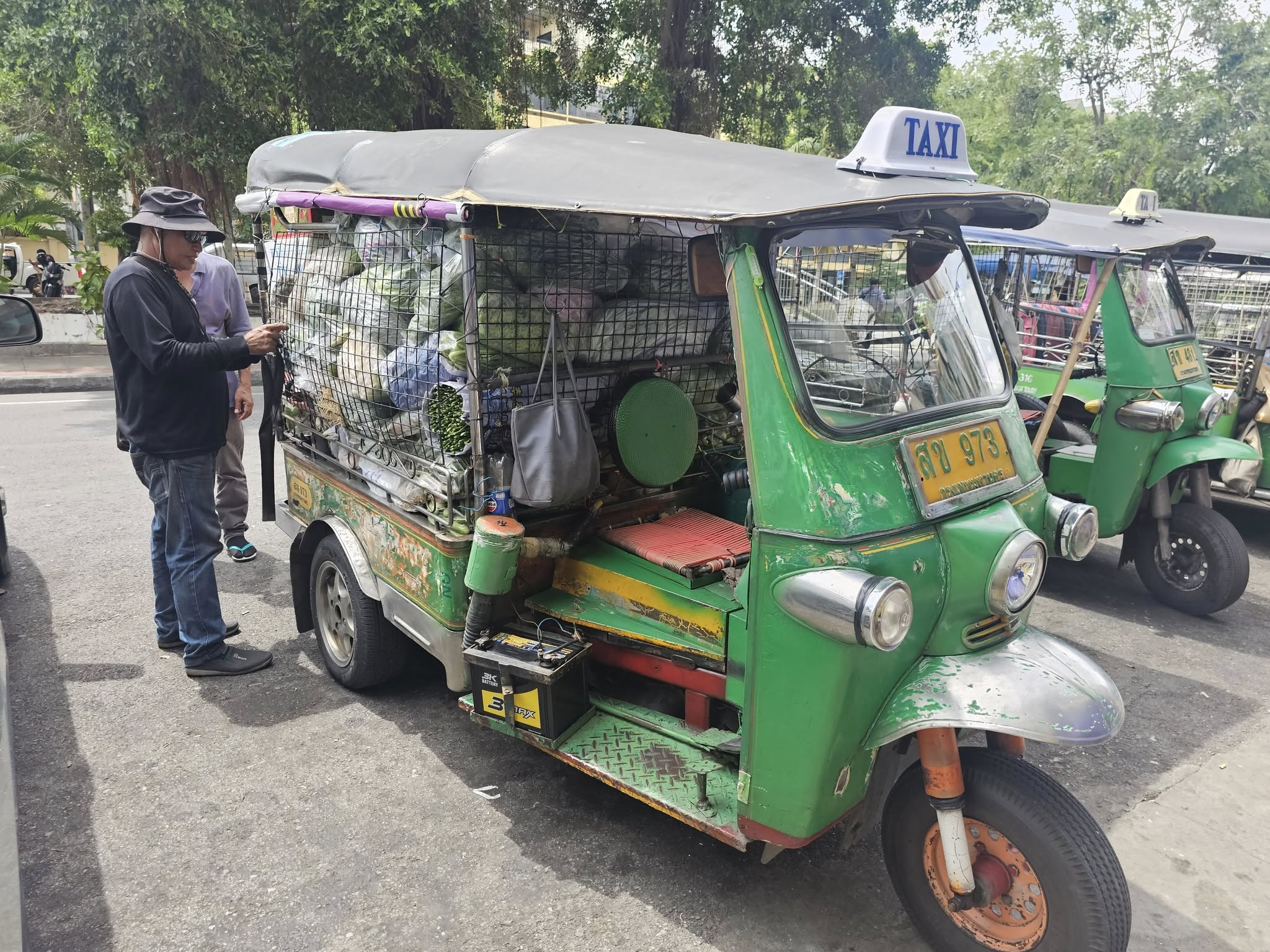
A journey through Sisaket can begin in the provincial capital, where the history of the city unfolds through its landmarks and local communities. One of the most enjoyable ways to explore is by traditional pedal tricycle. Rather than moving quickly from one attraction to the next, visitors have time to look around, listen to local stories and see how the city has developed over time.
The route connects the City Pillar Shrine, the railway station, the monument dedicated to Phra Nang Si Sa Ket, and Wat Maha Phuttharam, also known as Wat Phra To. It’s a simple experience, but one that gives visitors a more personal introduction to Sisaket.
From Sacred Temples to the Agricultural Heartland
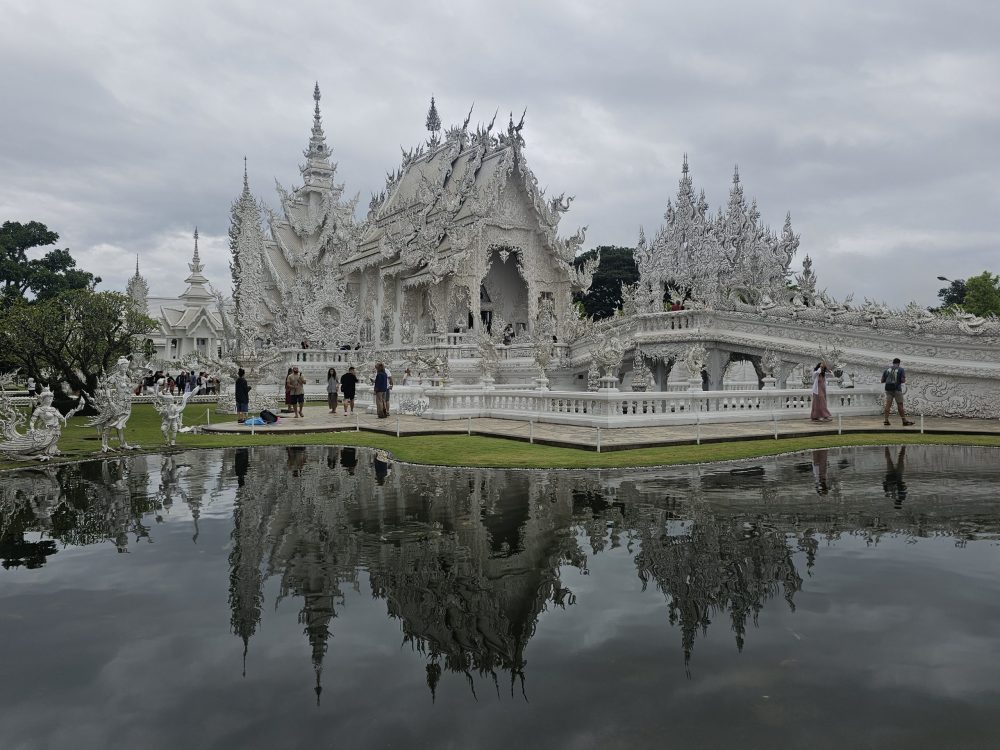


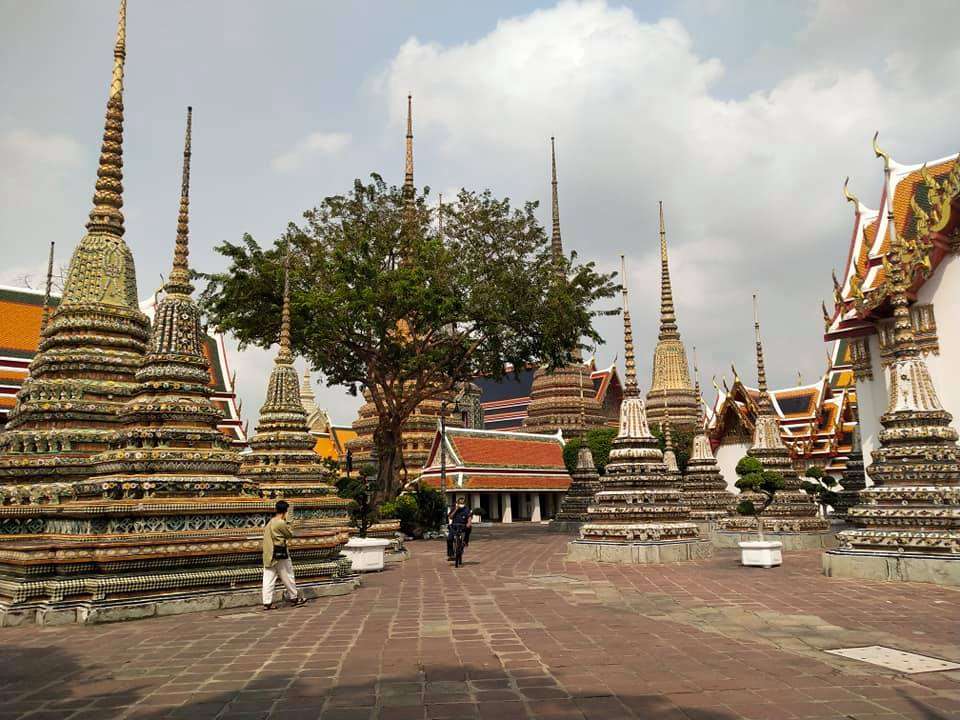
Leaving the city, the journey moves into the countryside. At Wat Benchaphuttharam and Phra That Nong No, visitors experience another side of Sisaket’s cultural landscape before continuing into its agricultural communities.
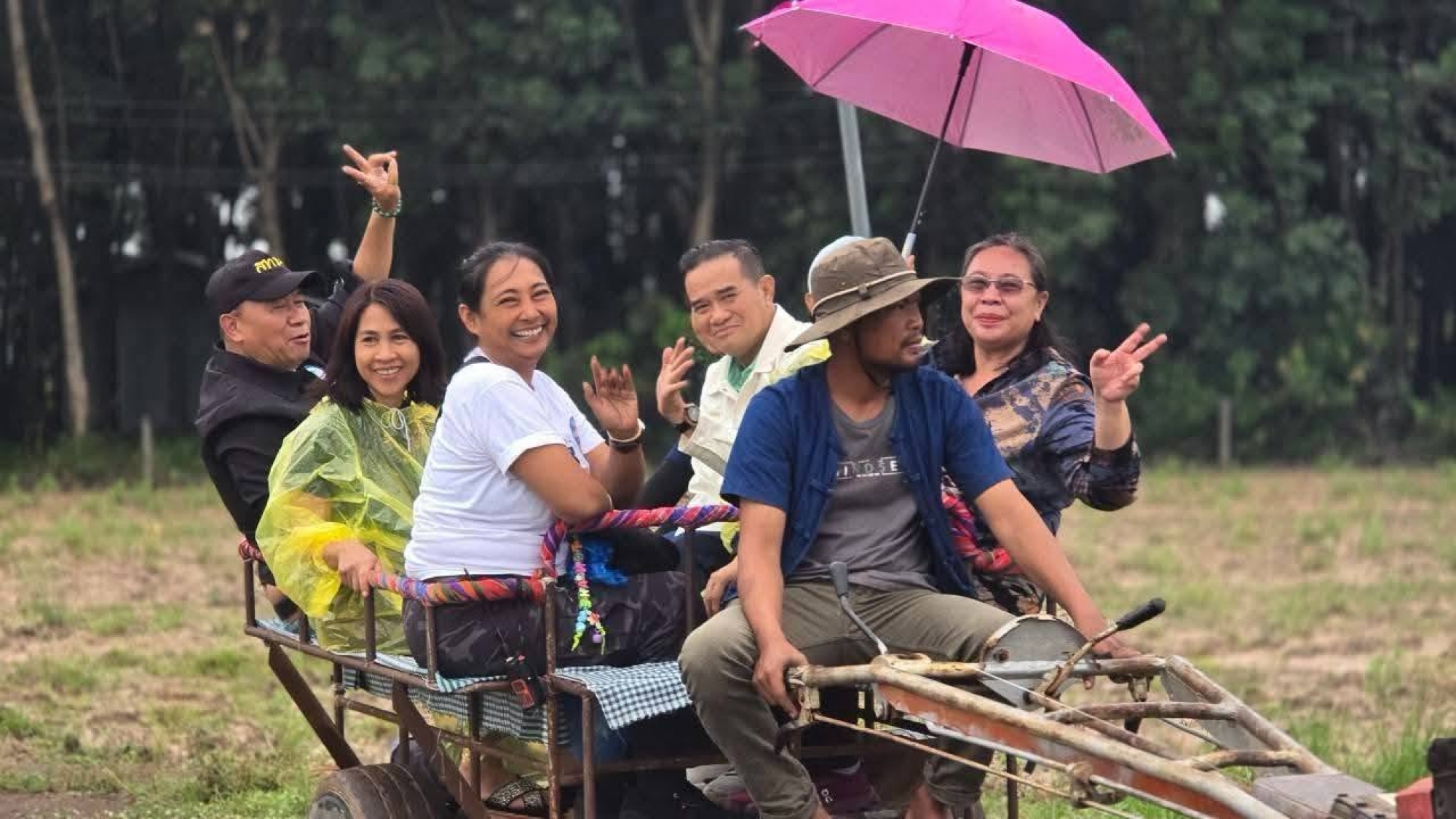
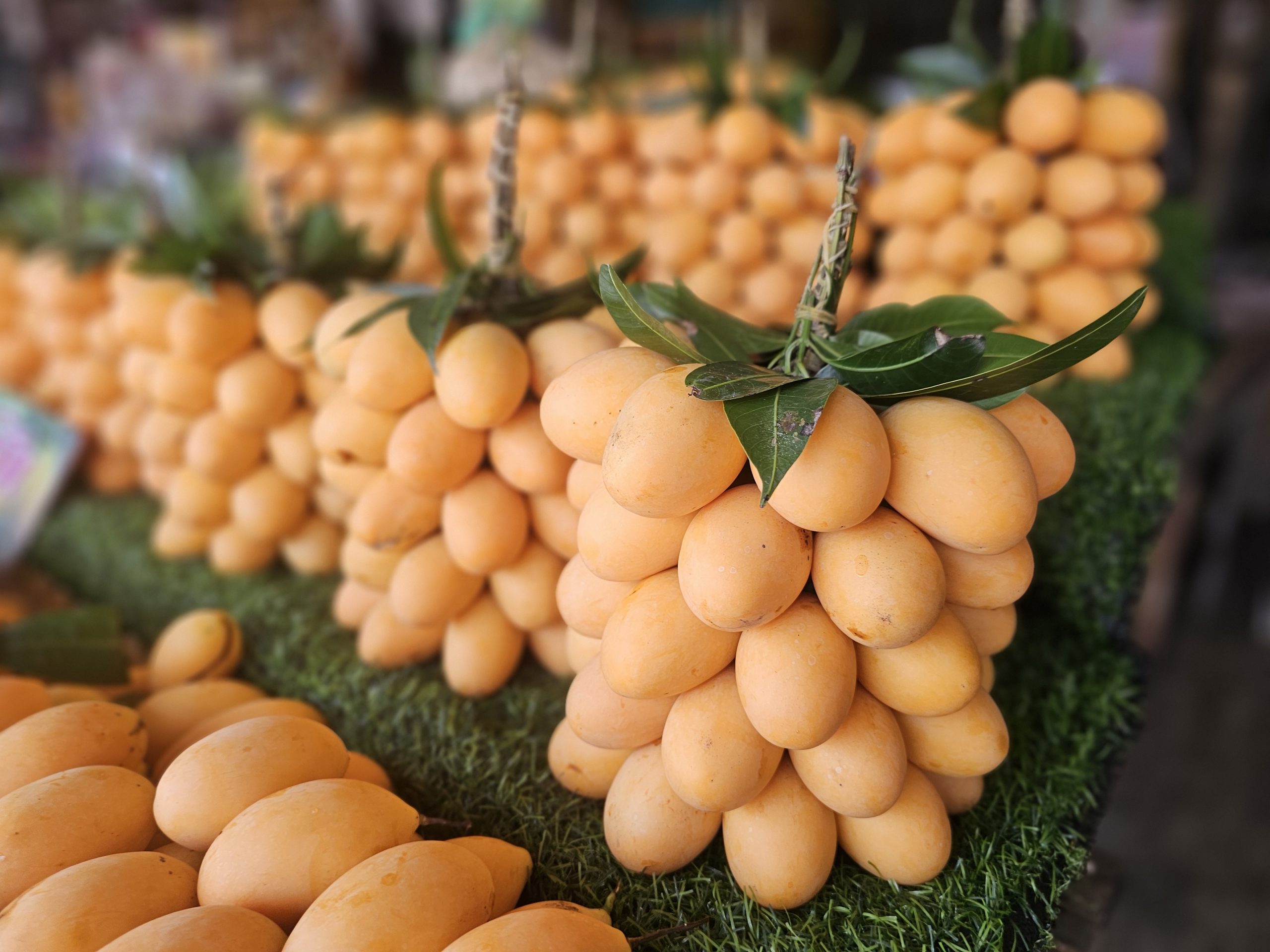
Agriculture is central to life here. Red onions and garlic are closely associated with the province, and Sisaket’s Volcanic Plateau Durian has become a distinctive part of its agricultural identity. Rather than simply buying local products, visitors can discover where they come from. In Ban Chom, travelers can ride through the community by local sidecar, visit onion and garlic fields, and meet the people whose livelihoods are tied to the land — turning a food product into a story about soil, farmers, tradition and the work behind what eventually reaches the table.
A Taste of Rural Sisaket
One of the pleasures of travelling through Sisaket is discovering how closely food is connected to local life. Traditional ingredients aren’t simply part of the cuisine — they’re part of the agricultural landscape and the identity of the communities themselves. A visit to a farming village offers the chance to see this connection first-hand, from the cultivation of crops to local food and community products. For travelers interested in food, agriculture and authentic local experiences, this is a side of Thailand rarely found on conventional itineraries.
Wat Trai Samakkhi: The Land of the Naga
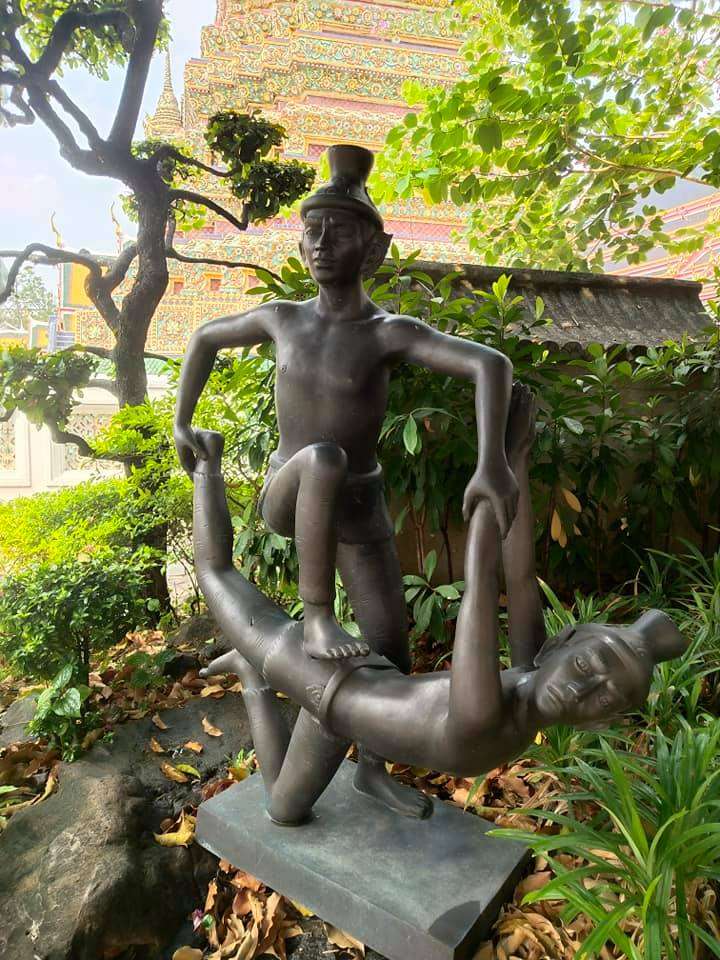
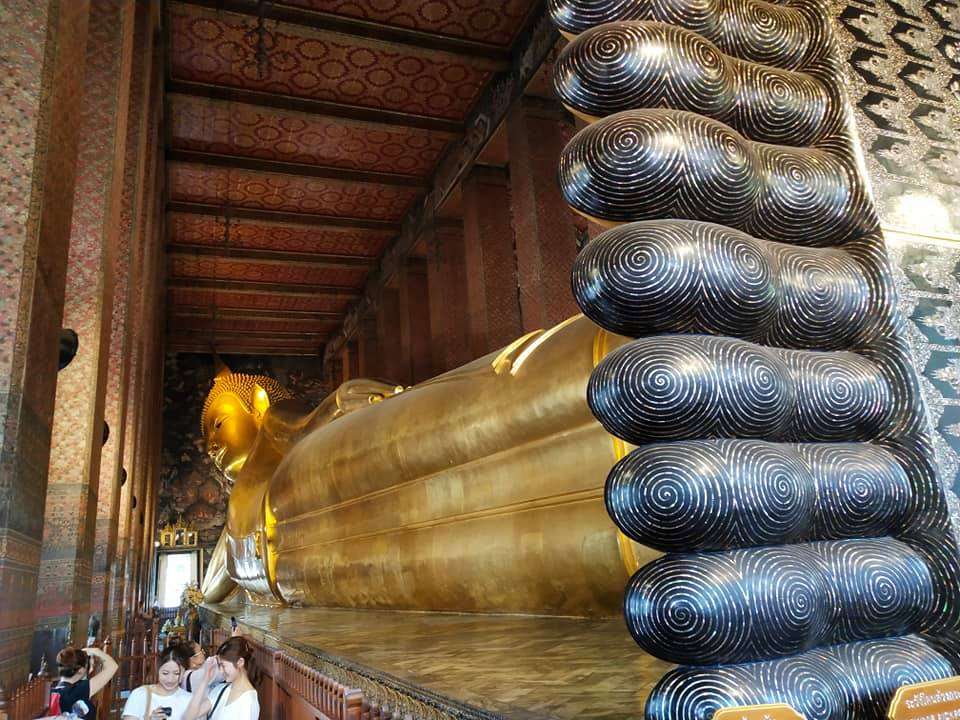
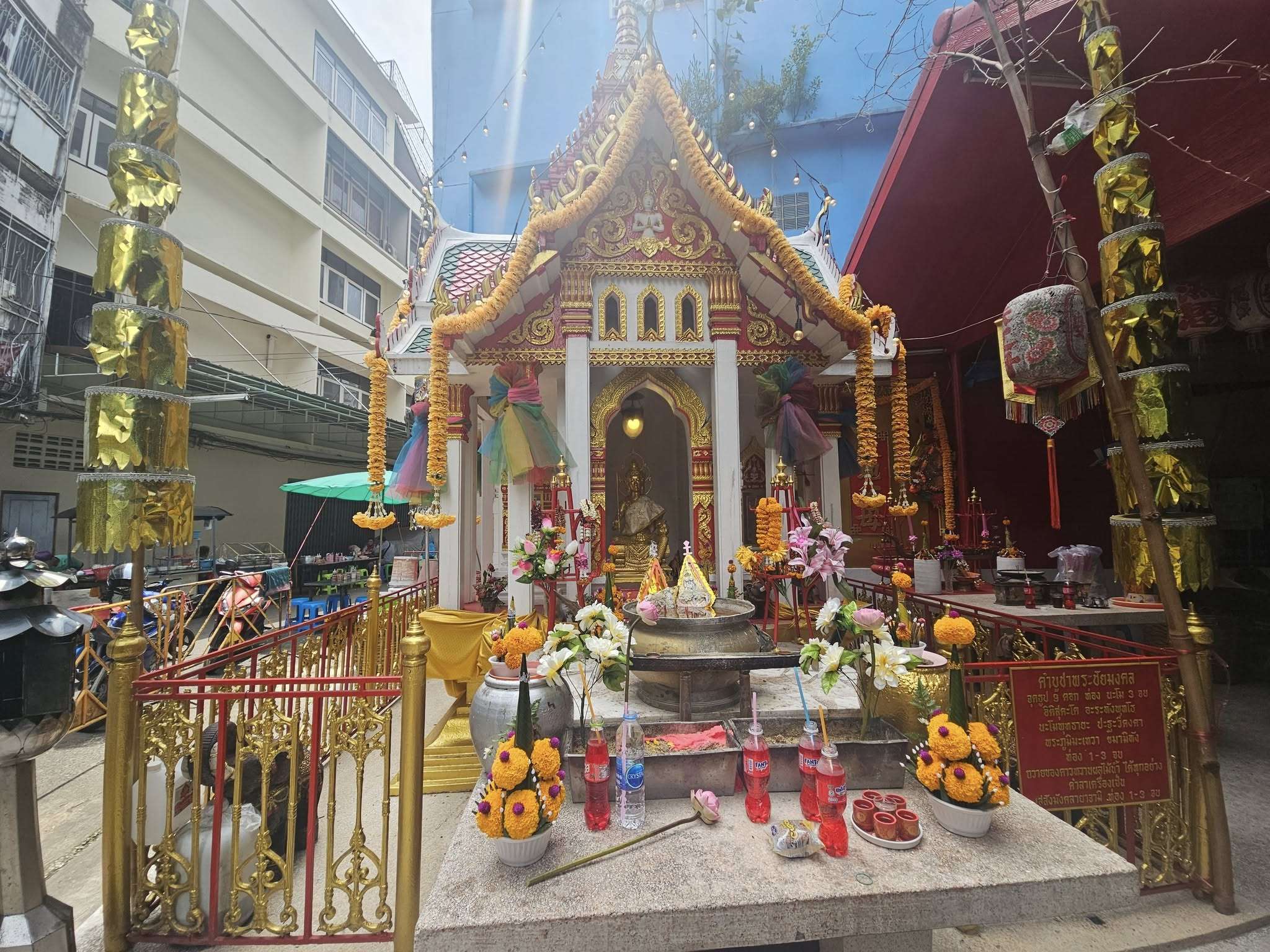
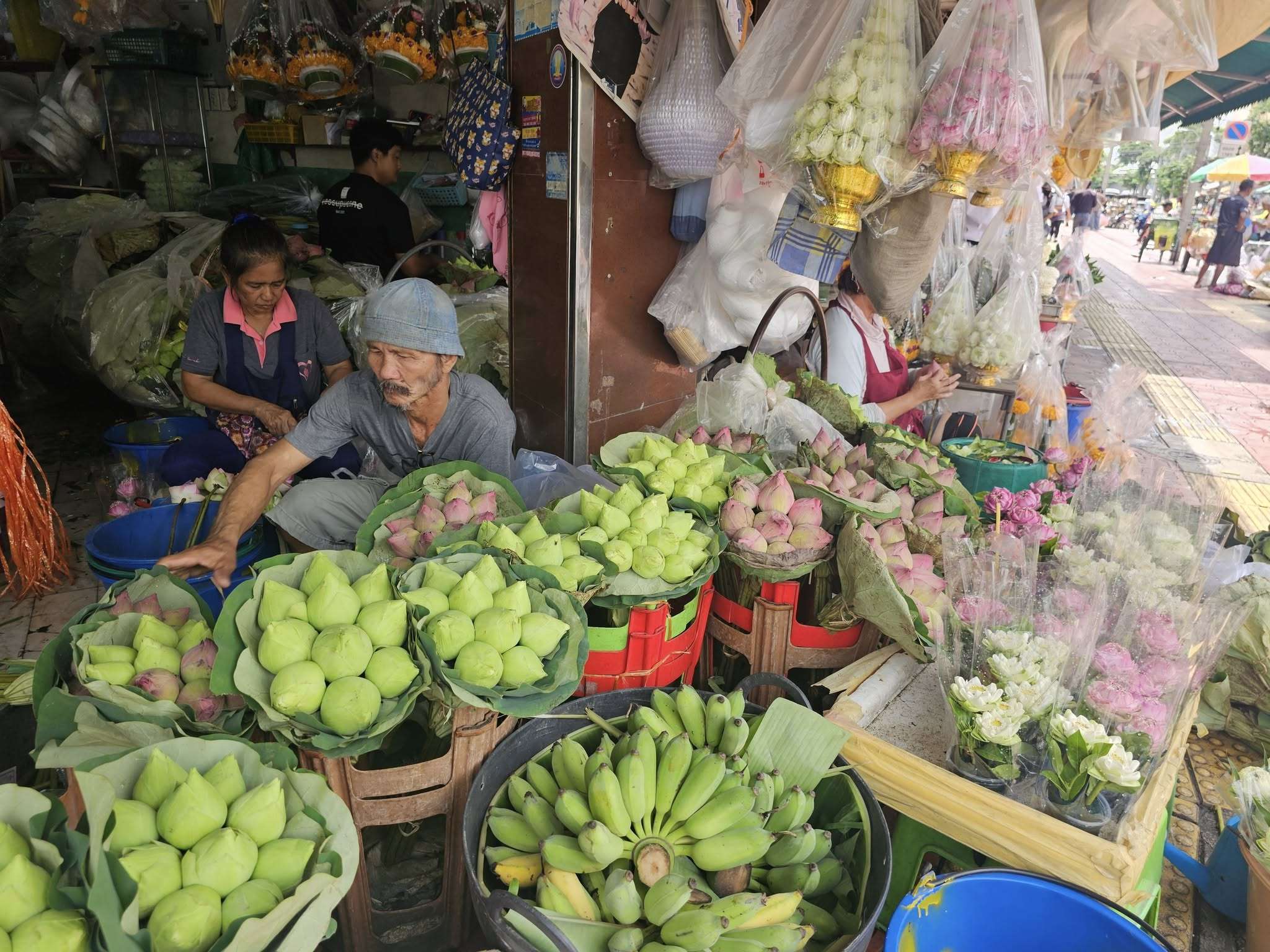
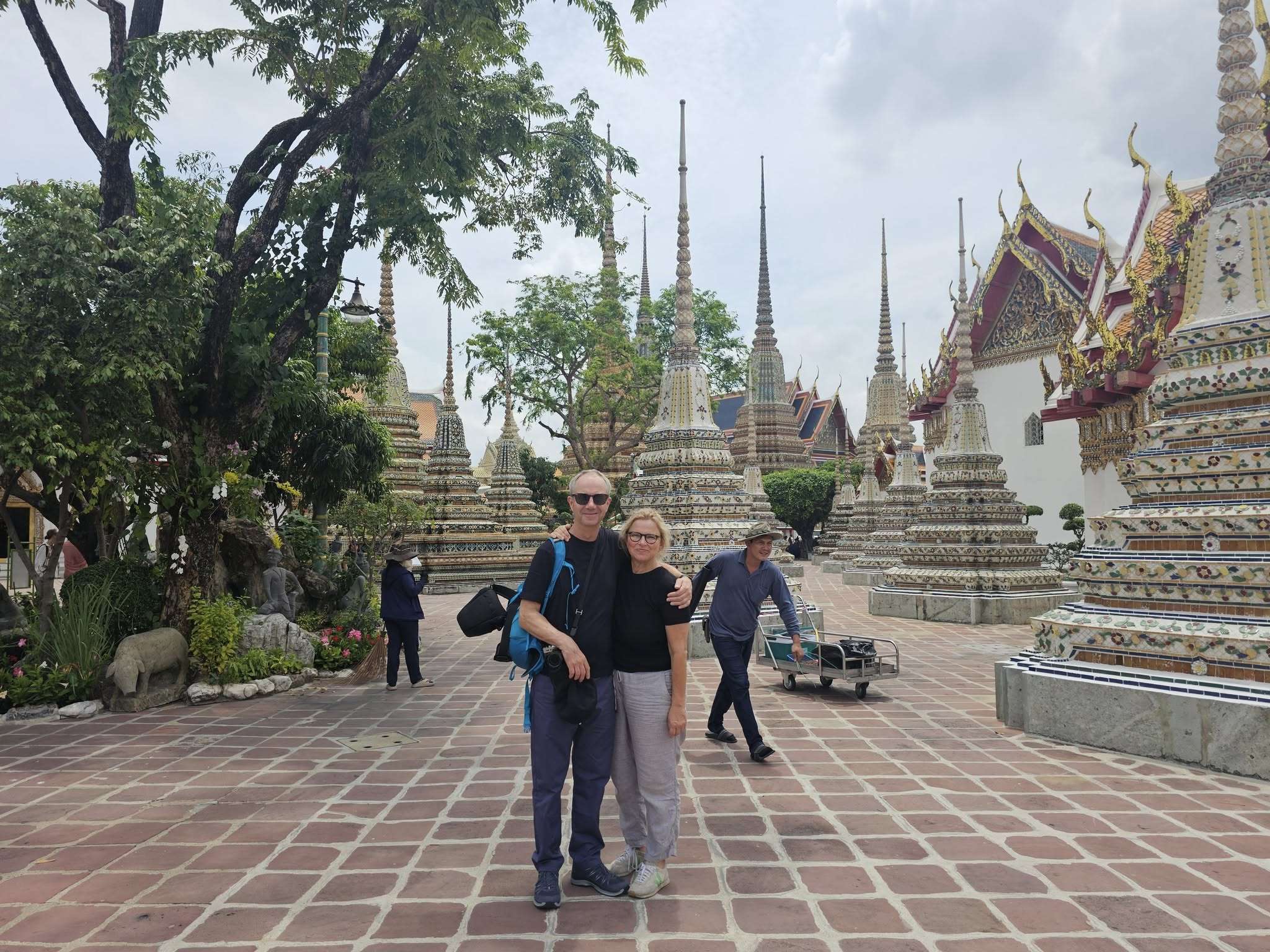
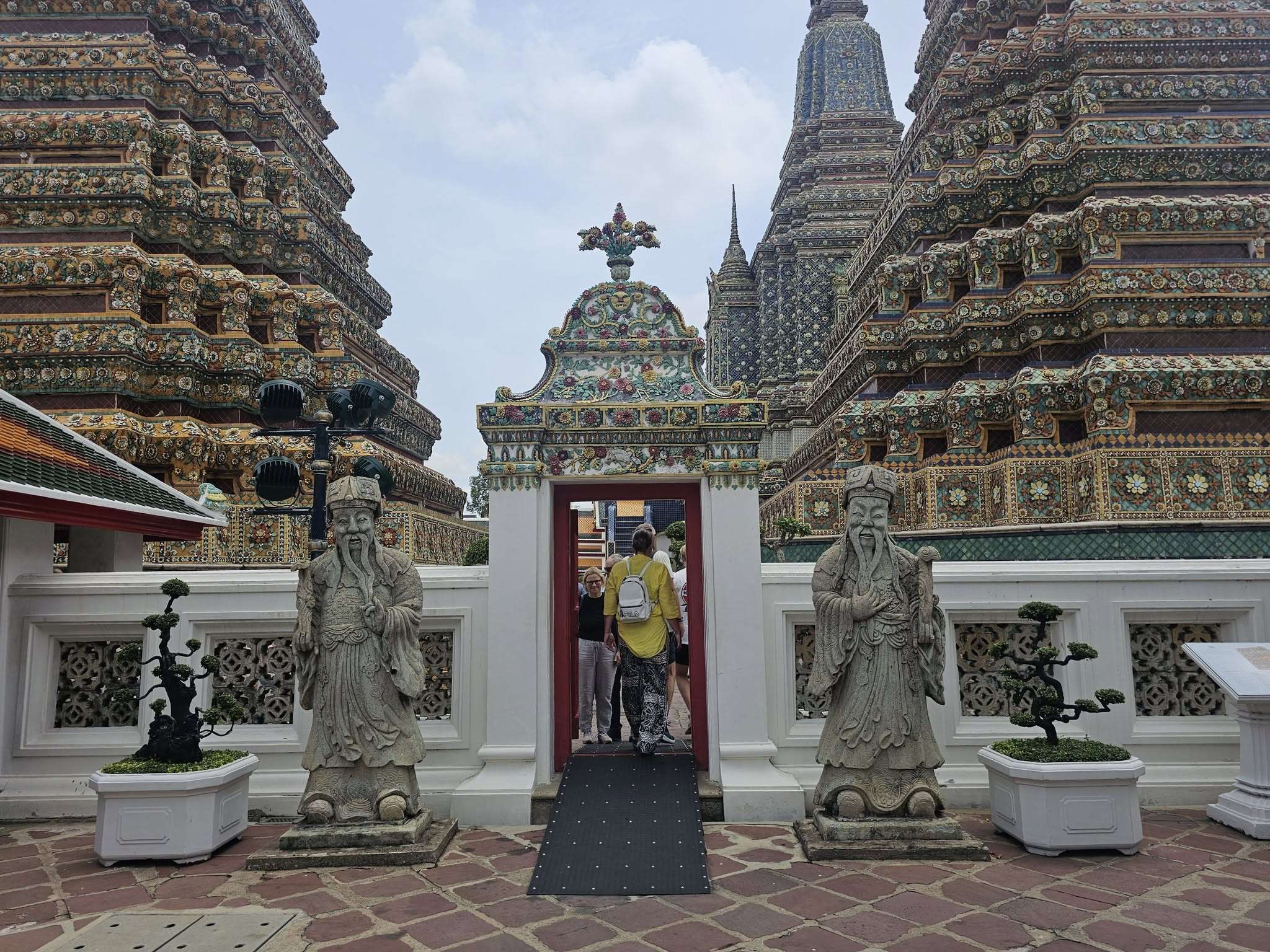
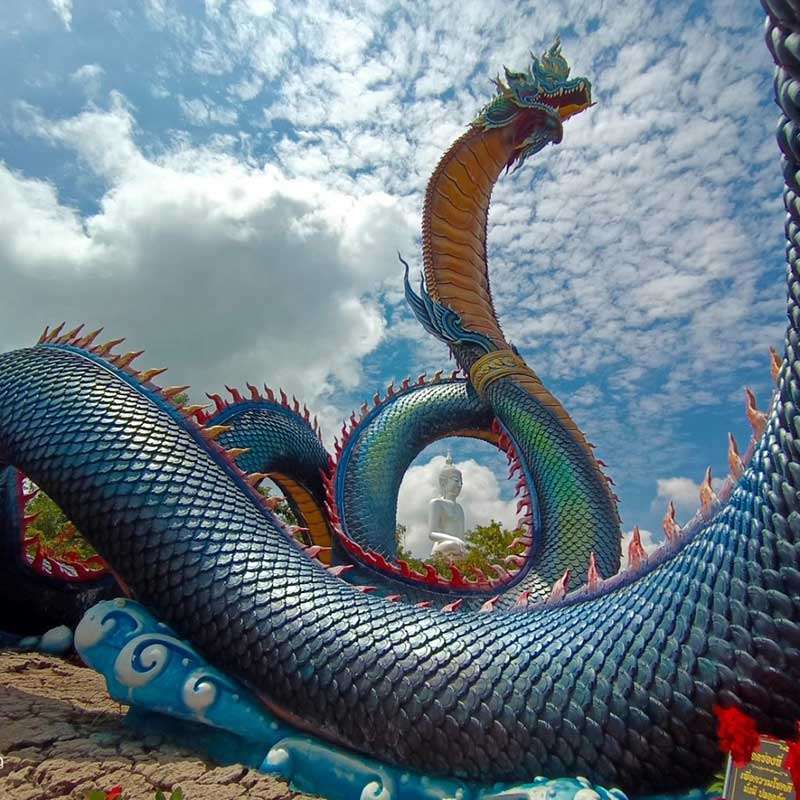
Sisaket also has a strong spiritual dimension. At Wat Trai Samakkhi, visitors encounter a very different kind of cultural attraction, known for its striking Naga sculptures and contemporary Buddhist art. The atmosphere reflects the continuing importance of faith in local communities. Unlike the ancient archaeological sites nearby, Wat Trai Samakkhi shows how religious tradition keeps evolving and finding new forms in contemporary Thailand — a reminder that culture isn’t preserved only in museums, but continues to be lived.
Meeting the Kui People in Prang Ku
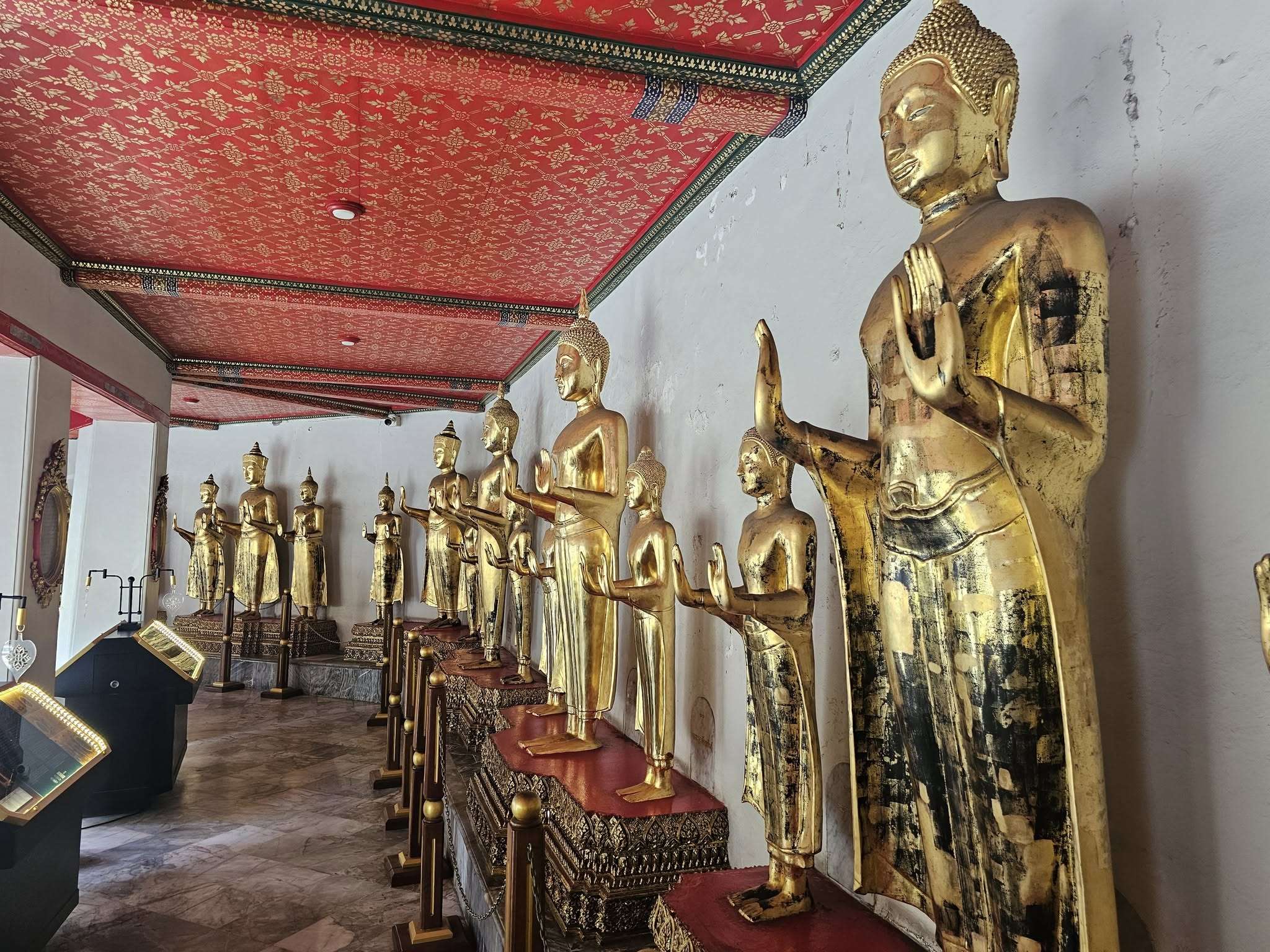
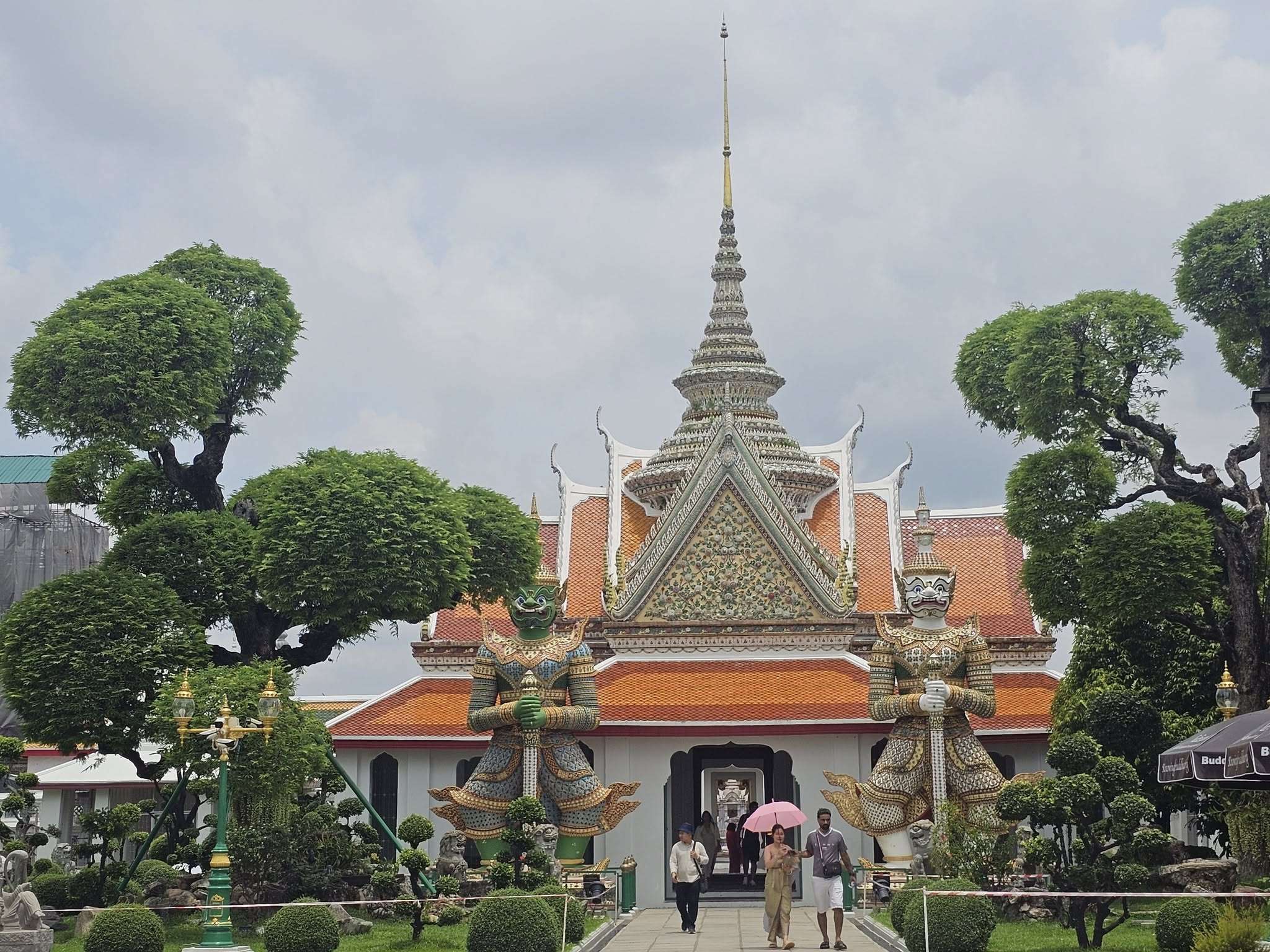
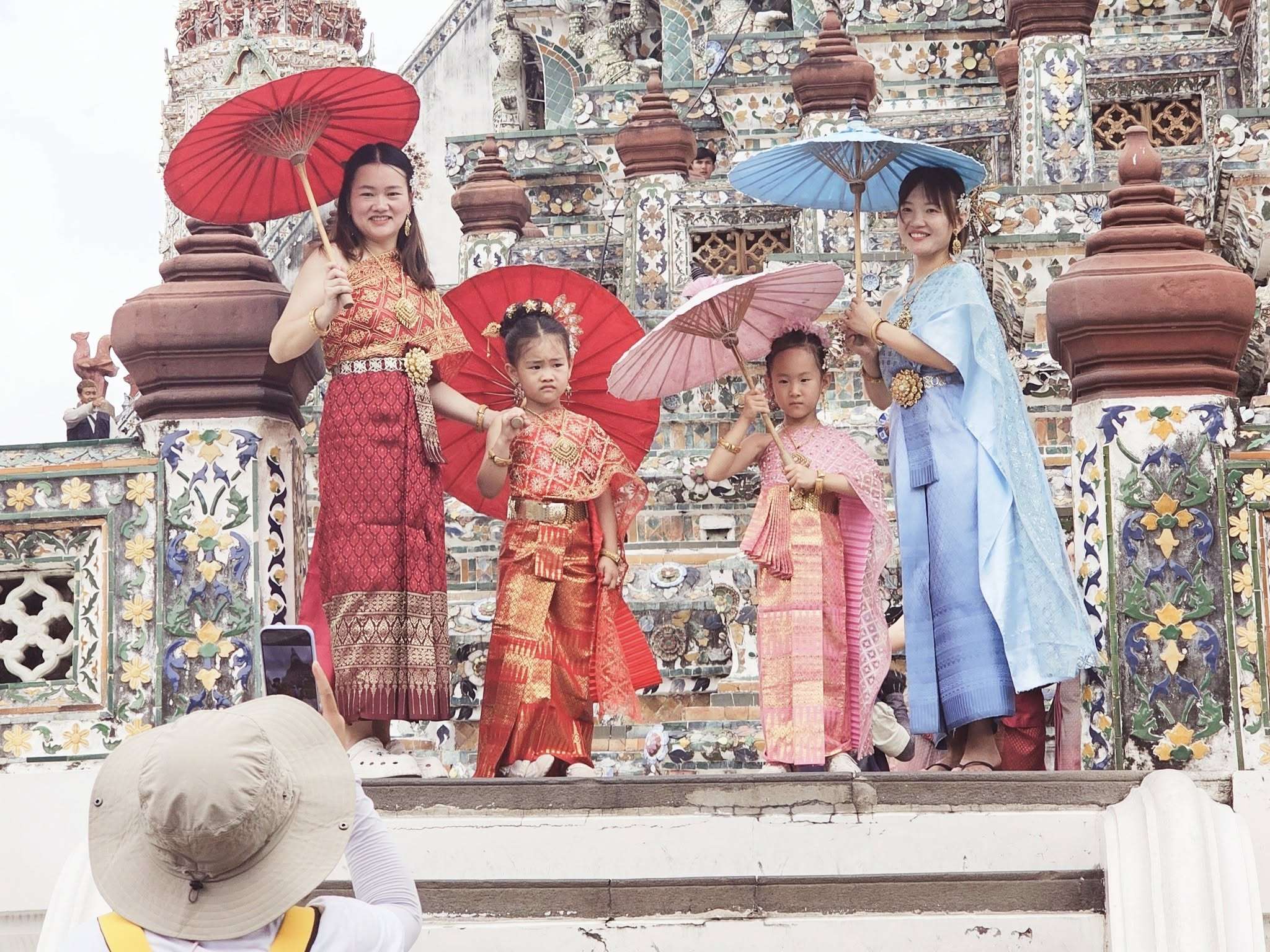
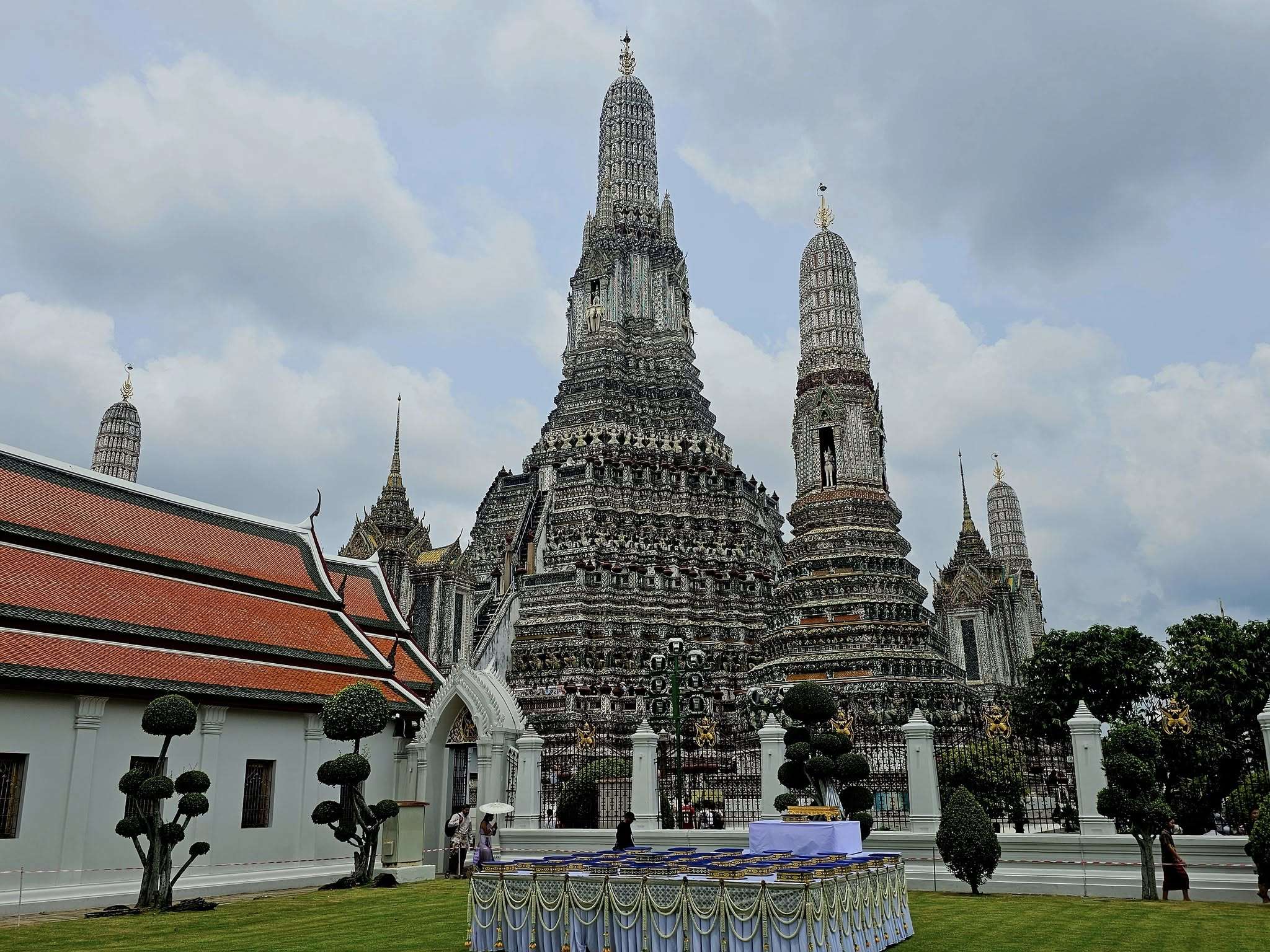
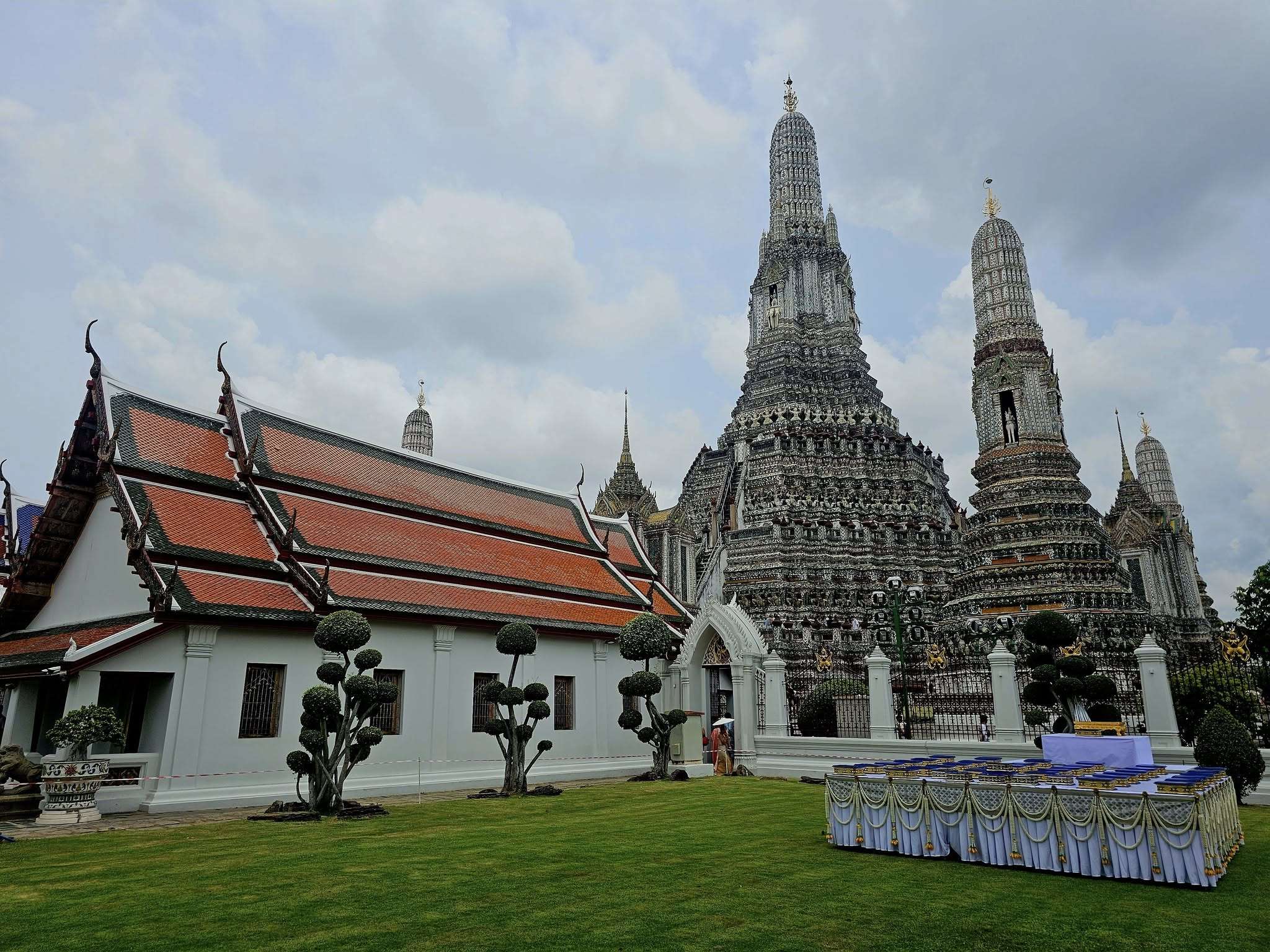
The journey continues to Prang Ku, where ancient history and living culture meet. Prang Ku Sanctuary is part of the region’s ancient Khmer heritage, but the surrounding communities offer another important story: the cultural heritage of the Kui people. A visit to the local community is a chance to experience village life and learn traditional knowledge, including silk raising and local handicrafts. Traveling through the village by local sidecar makes the experience more personal — instead of observing from a distance, visitors slow down, meet local people, and learn traditions passed from one generation to the next. This is community-based tourism at its most meaningful.
Ancient Khmer Sanctuaries: Prang Ku and Ban Prasat
Sisaket is part of the wider cultural landscape of Thailand’s lower Northeast, where the influence of the ancient Khmer civilization can still be seen in temples and sanctuaries throughout the region. Prang Ku Sanctuary and Ban Prasat Sanctuary offer the chance to explore this heritage while understanding the communities that continue to live around these historic sites. At Ban Prasat, visitors can see a group of three ancient structures and learn about the area’s archaeological heritage. The real fascination lies in the connection between old and new: the stones may be centuries old, but the communities around them are very much alive.
From Ancient Healthcare to Herbal Wellness
One of the most distinctive experiences on this route is the connection between ancient healthcare traditions and modern herbal wellness. At Huai Thap Than Hospital, visitors can see its herbal production center and learn how locally sourced medicinal plants are developed and used within a modern healthcare setting. The journey continues to a large herbal garden, where visitors can see the plants and agricultural practices behind these products — an intriguing link between past and present.
Nearby, Prasat Sa Kamphaeng Noi adds another layer to the story. This ancient Khmer sanctuary is associated with the concept of an Arogyasala, a healthcare center established during the reign of King Jayavarman VII — connecting an ancient sanctuary, local medicinal plants and modern herbal production into a theme that will appeal to travelers interested in wellness, traditional knowledge and the history of healthcare in Southeast Asia.
A Different Kind of Low-Carbon Journey
Sustainable travel doesn’t always require complicated technology or expensive infrastructure. Sometimes it begins with simple choices: using local transportation, spending time in communities, eating locally produced food, learning directly from local people, visiting existing cultural and agricultural resources rather than creating new ones, and letting tourism income reach the people who live in the destination. These choices form the foundation of a more responsible approach to travel, while giving visitors a deeper connection to the destination.
What makes a journey through Sisaket special is moving between different communities and experiences in a single day — exploring the city by pedal tricycle in the morning, riding through agricultural villages by local sidecar, walking through an ancient Khmer sanctuary, meeting Kui villagers, discovering local herbs, and finishing with traditional food. The experiences are simple, and that’s precisely the point.
Why This Sisaket Travel Guide Belongs on Your Itinerary
Sisaket is for travelers who want to discover a side of Thailand beyond the familiar destinations. Come for the ancient Khmer heritage. Stay for the local communities. Taste the agricultural products and traditional food. Discover the Kui cultural heritage. Explore the connection between ancient healthcare and herbal wellness. And take the time to experience a province where history, agriculture, spirituality and everyday life continue to exist side by side. Sisaket isn’t simply somewhere to visit — it’s somewhere to experience.
Discover Sisaket with Plan Vacation Asia
Looking for a different way to explore Thailand? We help create journeys that go beyond the usual tourist routes, connecting travelers with local communities, cultural heritage, food, agriculture and meaningful travel experiences. Discover Sisaket — slowly, locally, and with a deeper connection to Thailand.
 English
  German